Are Fruits Gluten Free? Understanding Natural Gluten Absence in Fresh Products
Fresh fruits are naturally gluten free because they come from plant ovaries, not cereal grains. Gluten is a protein found in wheat, barley and rye. Since fruits do not contain these grains, whole fresh fruits have zero gluten. However, processing steps can introduce hidden gluten in canned, dried or flavored fruit products.
Key Takeaways
Why Fresh Fruits Are Naturally Gluten Free

Fresh fruits develop from flowers’ ovaries and contain no wheat, barley or rye proteins. Fruits have cellular sugars, fibers, vitamins and water but no gluten. Celiac disease patients can enjoy apples, bananas or grapes without concern for raw fruit. Their gluten free safety holds true whether the fruit grows in orchards, gardens or wild patches. Always wash fruit under running water to remove surface debris and pesticides but not to remove gluten, as none exists on unprocessed skins.
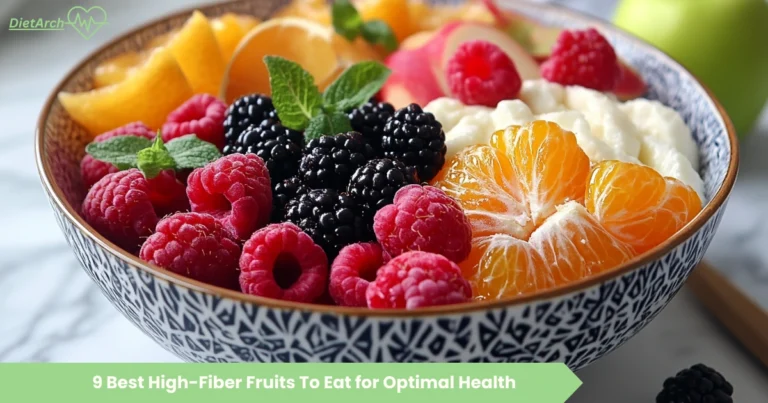
Here are some high fiber fruits.
Categories of Fruits and Their Gluten Risk

Fruit Category | Gluten Content | Risk Factors |
|---|---|---|
Fresh whole fruits | 0 ppm | No processing needed |
Frozen fruits | 0 ppm | Safe if no sauces or coatings |
Canned fruits | 0–<20 ppm | Check syrup additives and thickeners |
Dried fruits | 0–<20 ppm | Risk from maltodextrin or shared bins |
Frozen fruits remain safe when purchased plain, without added sugars or sauces. Canned fruits in heavy or light syrup may include glucose syrup derived from wheat or barley malt extract as flavoring. Dried fruits gain shelf life via natural sugars, but some brands coat fruit in maltodextrin or process them on shared equipment. Always read labels and choose brands that specify gluten‑free processing.
Cross‑Contact and Processing Concerns
Cross‑contact occurs when gluten grains share machinery, bins or packaging lines with fruit products. Common concerns:
To avoid cross‑contact, buy factory‑sealed packages labeled gluten‑free. If using bulk bins, request fresh scoops and clean bags. For home processing, dedicate kitchen tools and surfaces to gluten‑free items only.
Reading Labels What to Watch in Fruit Products
Label reading is essential for processed fruit safety. Key steps:
Clean label example
100 % apple slices, water, ascorbic acid
Risky label example
Fruit cocktail (peach, pear, grape, wheat starch, sugar)
Top 10 Safest Fruits for a Gluten Free Diet

These fruits carry no risk when fresh or properly handled:
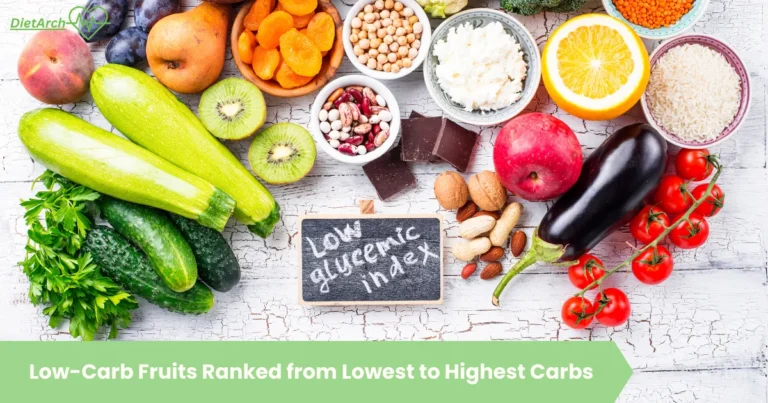
Choose fresh or frozen plain varieties. If dried, select brands that guarantee gluten free processing and no added maltodextrin. You should also choose low carb fruits for better health benefits.
Storage and Handling Best Practices
Maintain a gluten free environment with these tips:
Proper handling prevents accidental exposure when preparing salads, desserts or smoothies.
Nutritional Benefits of Fruits in a Gluten‑Free Diet
Fruits are rich in essential nutrients. They support overall health, particularly on a gluten free diet:
Nutrient | Examples of Fruits | Health Benefits |
|---|---|---|
Vitamin C | Citrus, strawberries | Immune support, collagen production |
Potassium | Bananas, melons | Blood pressure regulation |
Fiber | Apples, pears, berries | Digestive health, cholesterol control |
Antioxidants | Blueberries, grapes | Reduce inflammation, protect cells |
Folate | Oranges, avocados | DNA synthesis, fetal development |
Including a variety of fruits ensures adequate micronutrient intake often lacking in overly processed gluten free foods.
DIY Gluten‑Free Fruit Snacks and Recipes

Elevate your gluten-free snack game with simple fruit-based treats:
Fruit Leather Rolls
Overnight Oats with Fresh Fruit
Baked Fruit Crisp
These recipes avoid processed thickeners and fillers, ensuring naturally gluten-free enjoyment.
Conclusion
All fresh whole fruits are naturally gluten free and ideal for people with celiac disease or gluten sensitivity. Processed forms—canned, dried, flavored—can introduce hidden gluten through additives or shared equipment. Always read labels, choose certified gluten-free brands and maintain dedicated storage and prep areas. Embrace the nutritional benefits of fresh fruit and try simple DIY recipes to avoid cross-contact. By following these best practices, you can enjoy nature’s sweetest treats without worrying about hidden gluten.